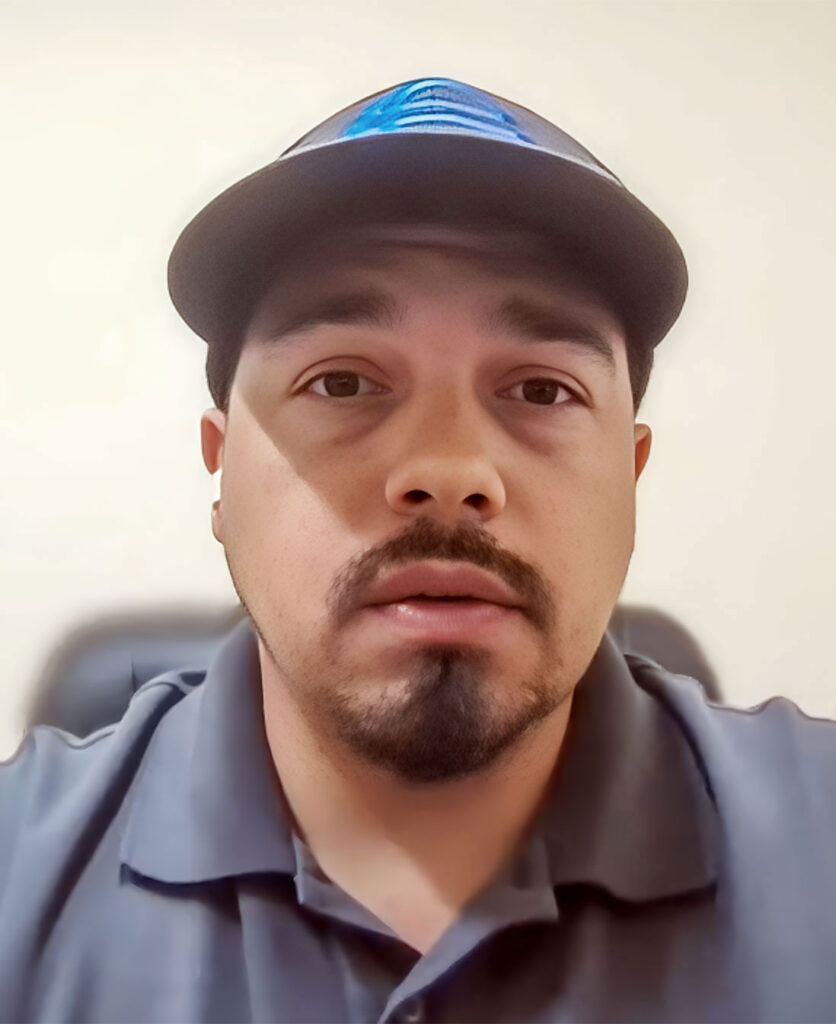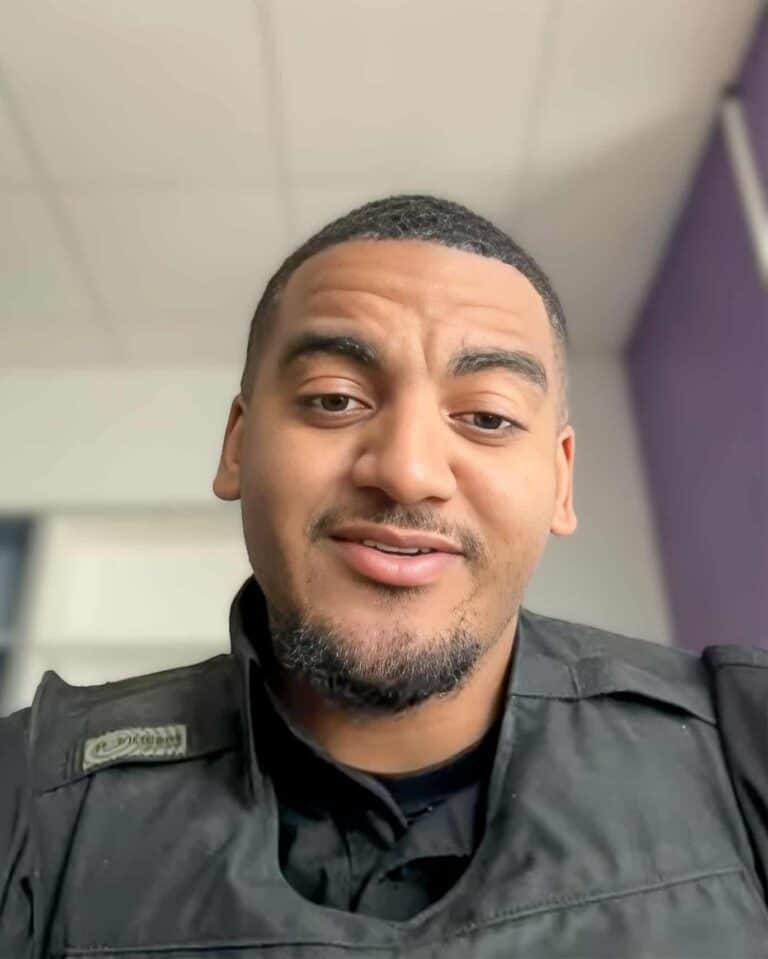


Skyler joined the Navy in 2020 on a SEAL contract, then dropped from BUD/S (Basic Underwater Demolition/SEAL training) with injuries to his back, hips and knees and the mental toll of losing his purpose. In this Woobie interview he explains why he almost skipped getting evaluated, and what changed his mind. His outcome is his own; results vary.
Doc Matthew J. Wilyonson, M.D., Woobie’s Chief Medical Officer and a former Navy Lieutenant Commander in the Medical Corps, hosts. Woobie’s free consultation is one way veterans start.
Why did Skyler hesitate?
Skyler saw getting evaluated as “complaining.” He even turned down Woobie’s first outreach. A friend’s recommendation shifted his view: documenting how service affected his body and mind was practical, not weakness. Starting from scratch, he went through a full evaluation of his physical and mental limits.
What did the process involve?
1. A clear medical story
Having symptoms is not the same as being able to explain them. Woobie provided independent evaluations and nexus letters so Skyler’s symptoms were described in medical terms.
2. Statements from people who saw it
Skyler says medical records are the foundation, but statements from people who watched his daily struggles added context.
3. Specific detail
Skyler stresses being specific about severity and frequency.
“If you don’t accurately describe the severity and frequency of your symptoms, your medical record won’t reflect the true extent of your condition.”
— Skyler
What did Skyler gain?
Skyler describes the flat fee for medical services as an investment in his long-term health care. He says the documentation helped him get specialized care, pursue further education and look at family health care options. He says the whole process was about thoroughness, not speed.
Skyler’s advice
- Do not shortcut it. Quality beats speed. Gather lay statements and organize your medical evidence.
- Start the conversation. If you are skeptical, take the first call and ask questions.
- Use the community. The Woobie app community connects veterans on the same path.
What this means for your own claim
- Washing out of training does not disqualify you. VA looks for a current condition linked to service, including active duty and active duty for training. Discharge type can affect eligibility.
- Describe severity and frequency. How often a symptom happens and what it stops you from doing is what VA rates.
- Lay statements help. Use VA Form 21-10210 (Lay or Witness Statement) for people who have seen your limits.
- Skip the fear of “complaining.” Records now can matter for later increases.
Skyler’s result is his own. Woobie provides medical consulting and education, does not file claims and cannot promise a rating. Accredited VSOs help with claims for free. For more, see Keilo’s story and how scenario modeling maps a path to 100%.
Frequently asked questions
Can you get VA disability if you did not finish training?
Possibly. VA looks for a current condition linked to service, including active duty and active duty for training. Discharge type can affect eligibility, and VA decides each claim on its evidence.
What is a lay statement?
A lay or witness statement is written by someone who has seen how your condition affects you, such as a spouse or friend. VA accepts them on VA Form 21-10210, and they work best alongside medical evidence.
Is asking for a medical evaluation complaining?
No. Accurate records of what service did to your body and mind are the basis for any claim. Records now can also matter for later increases.
Questions about your medical evidence? Woobie offers a free consultation to talk through your situation. Woobie is not a law firm or an accredited claims agent and does not file claims. Schedule a free consultation →
*This article was reviewed and updated for compliance on February 17, 2026.